A control lock is not the same as a locked door
Read the scope of a control feature instead of inferring protection from its name.
Updated:
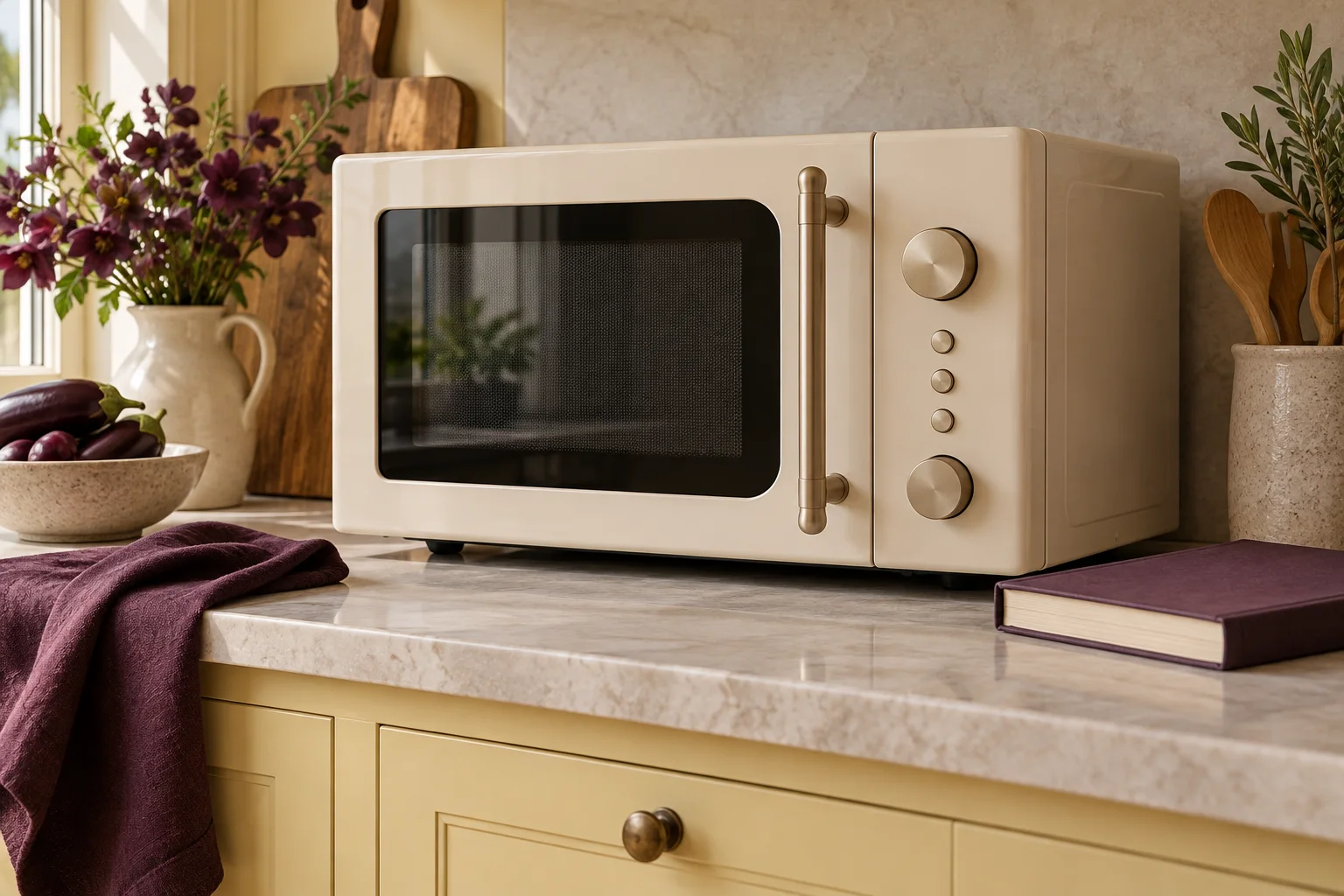
Preserve the limit stated in the manual
The Panasonic NN-ST45KW/ST46KB/ST48KS manual describes a child-lock feature that makes the controls inoperable while still allowing the door to open. That is a precise model-specific limitation. Do not turn the feature name into a claim that the appliance door is physically secured or that supervision is unnecessary.
Record what a feature affects and what it does not affect as separate fields. A control lock, a door mechanism and an interruption behaviour are different questions. This article does not assess the adequacy of a product for a particular household or provide a substitute for its safety instructions.
Panasonic NN-ST45KW/ST46KB/ST48KS operating instructions F0003CA22BP ?
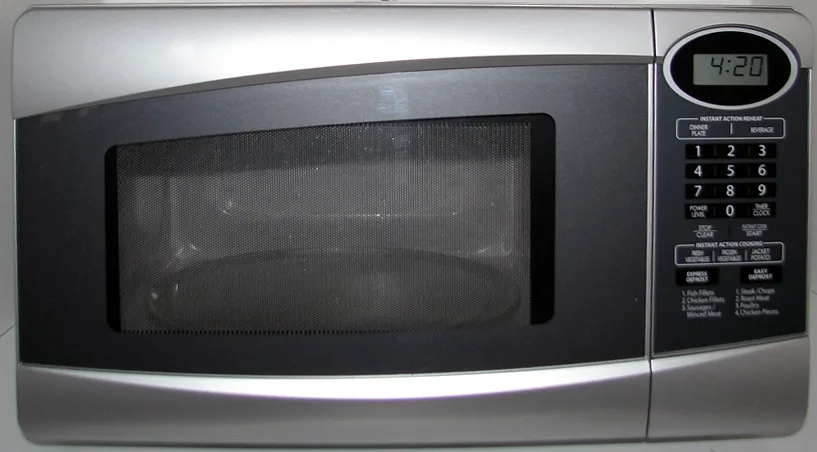
Keep interface timing in its proper context
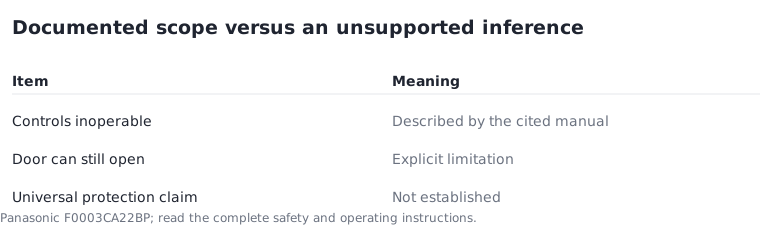
The cited manual describes an activation sequence within a 10-second period. That is a control-entry condition, not a protective delay or a period during which access is prevented. We are not reproducing an operating sequence here; consult the complete current instructions for the exact model.
For a fictional note-taking exercise, allow 5 minutes to find the correct manual and 10 minutes to record unresolved questions. The combined 15 minutes is an administrative planning allowance, not a measured research time or a recommended safety check duration. Its purpose is to keep document retrieval separate from operating the appliance.
Panasonic NN-ST45KW/ST46KB/ST48KS operating instructions F0003CA22BP ?
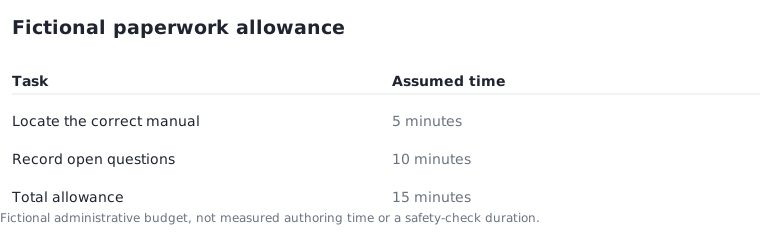
Do not infer behaviour from a similar panel
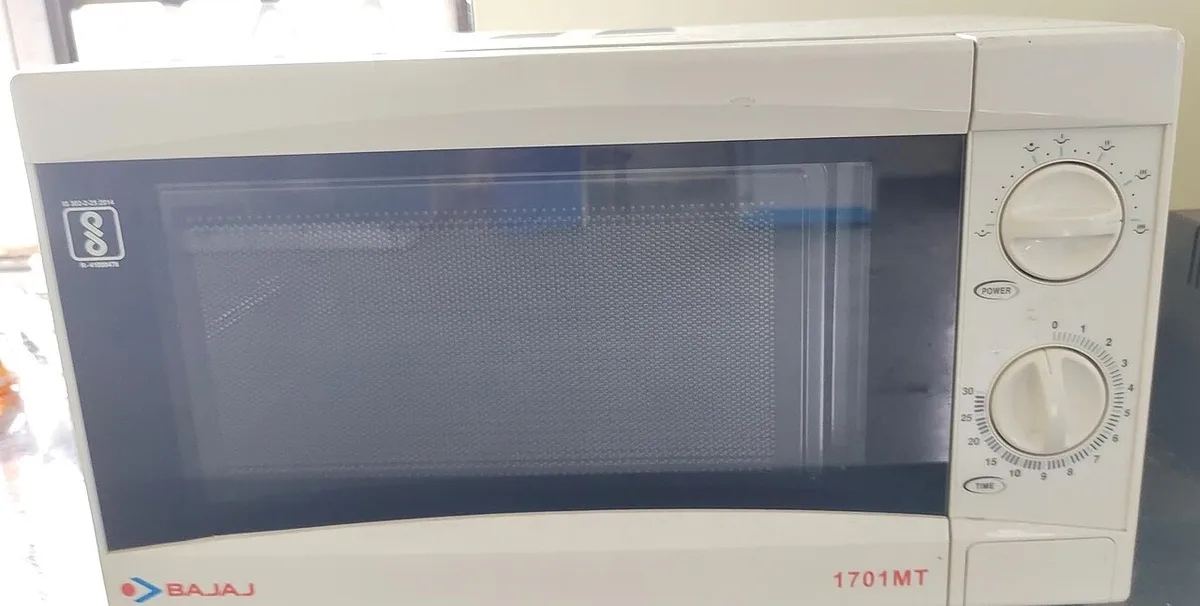
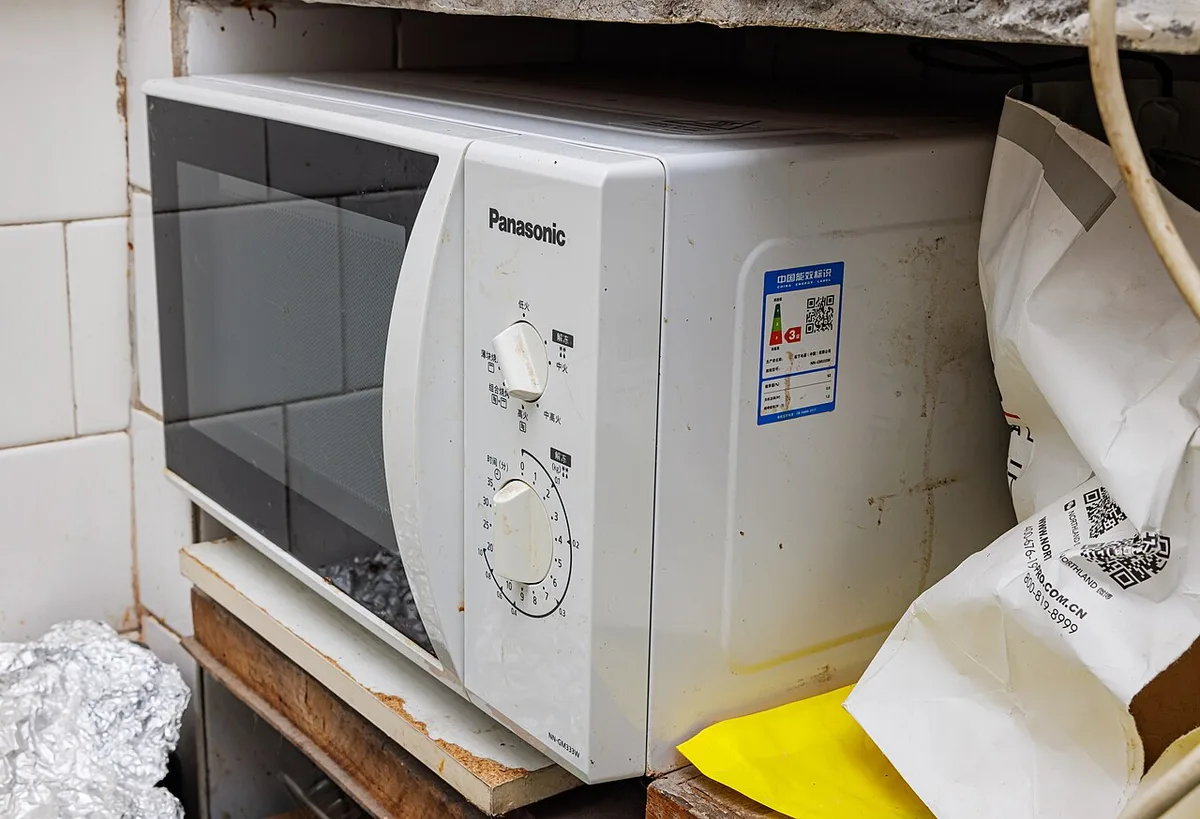
The historical photographs include a keypad and mechanical dials on different appliances. They show physical controls, but they do not establish that those products have the lock described in the Panasonic manual. A familiar button label or a similar door handle is insufficient evidence for transferring a function.
Keep the photograph's identity and the source document's identity distinct. When an image is used only to illustrate interface variety, say so. That prevents a reader from treating a picture of an older product as a demonstration of a feature on a different model that has not been tested here.
Ask a question that names the intended behaviour
If a feature description is unclear, state the exact behaviour you need clarified. Ask whether it disables controls, affects the door or changes a documented operating state. Avoid asking only whether the appliance is child-safe: that broad label can conceal several different concerns and cannot be settled by a single feature.
Preserve any conditions in the manufacturer's answer and keep the full model suffix. If a concern involves safe use in your household, follow the complete safety guidance and seek an appropriate answer for that situation. A comparison note should not suggest that a control feature removes the need to follow those instructions.
Use a precise record rather than a reassuring label
A useful shortlist records the feature name, the affected controls, explicit limitations and the source revision. It can also mark an answer as unresolved. That is more informative than a tick beside a broad marketing phrase, especially when you compare products with different interfaces.
Before making the purchase decision, revisit the source and check that the retailer's full model identifier matches it. Keep the record factual and avoid claiming that we have tested the lock or assessed its effectiveness. The benefit of this exercise is a clearer understanding of the documented scope, including the important functions it does not provide.