Budget for the complete appliance purchase
Keep confirmed purchase costs, compatible extras and running-cost scenarios in separate records.
Updated:

Define what belongs in this purchase
Start with the exact appliance and the items needed for the intended purchase. Bosch's cited oven manual directs accessory buyers to the appliance's exact product number. That illustrates why an extra should not be added to a budget simply because it looks suitable in a photograph: compatibility needs its own evidence.
Keep the product identifier, seller's offer and confirmed inclusions together. Do not assume that a photographed accessory is supplied or that an old tray will work with a replacement appliance. This guide contains no current prices, offers or retailer recommendation; the amounts below are deliberately fictional.
Bosch HBG7341.1 user manual, revision 9001681898_F ?
Add the known items transparently
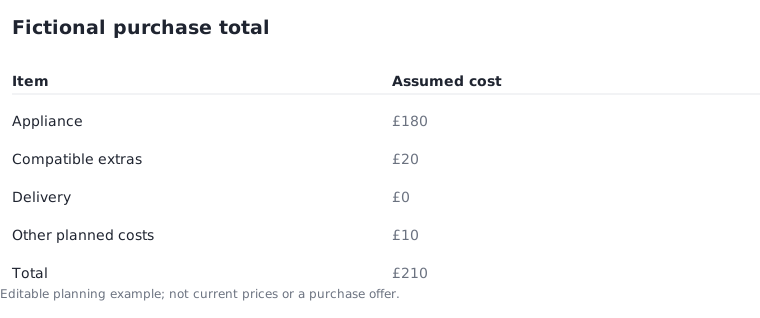
Our purchase tool starts with a fictional £180 appliance, £20 of compatible extras, £0 delivery and £10 of other planned costs. The total is £210. Against a fictional £250 budget, the remaining amount is £40. These are editable examples, not a statement of what a particular kitchen appliance should cost.
Use a zero only when you intend a zero-cost assumption or have confirmed that the item is included. An unknown delivery charge is not the same as free delivery. Keep an unresolved cost visible in your notes rather than allowing a blank field to make the purchase appear cheaper than the available information supports.
Keep an over-budget result useful
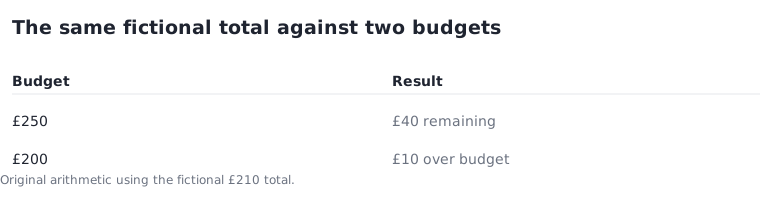
If the same fictional total of £210 is compared with a £200 budget, the result is £10 over budget. That outcome should remain visible rather than being hidden by removing an item you still need. Revisit the scope, obtain a complete offer or change the budget deliberately.
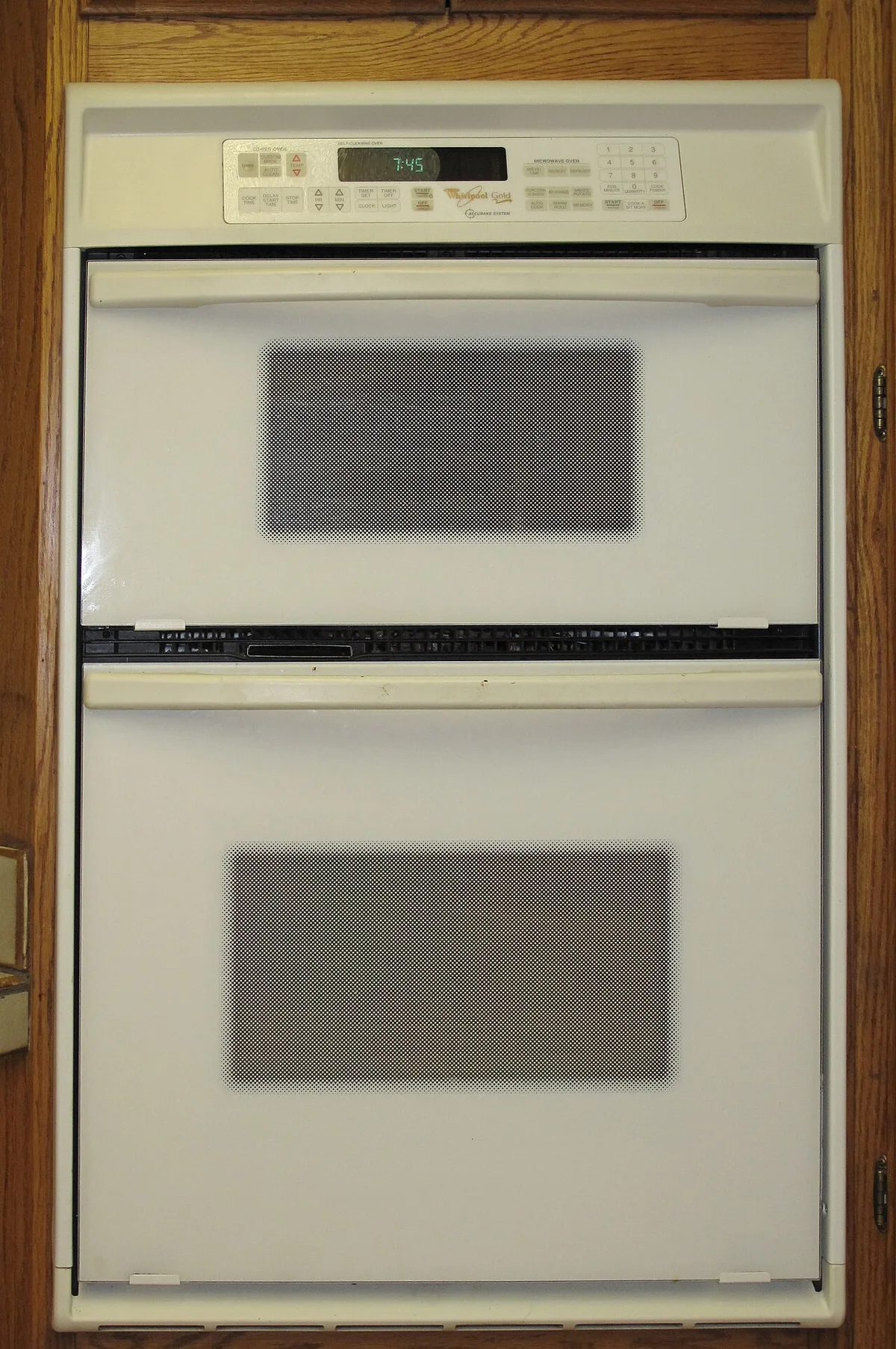
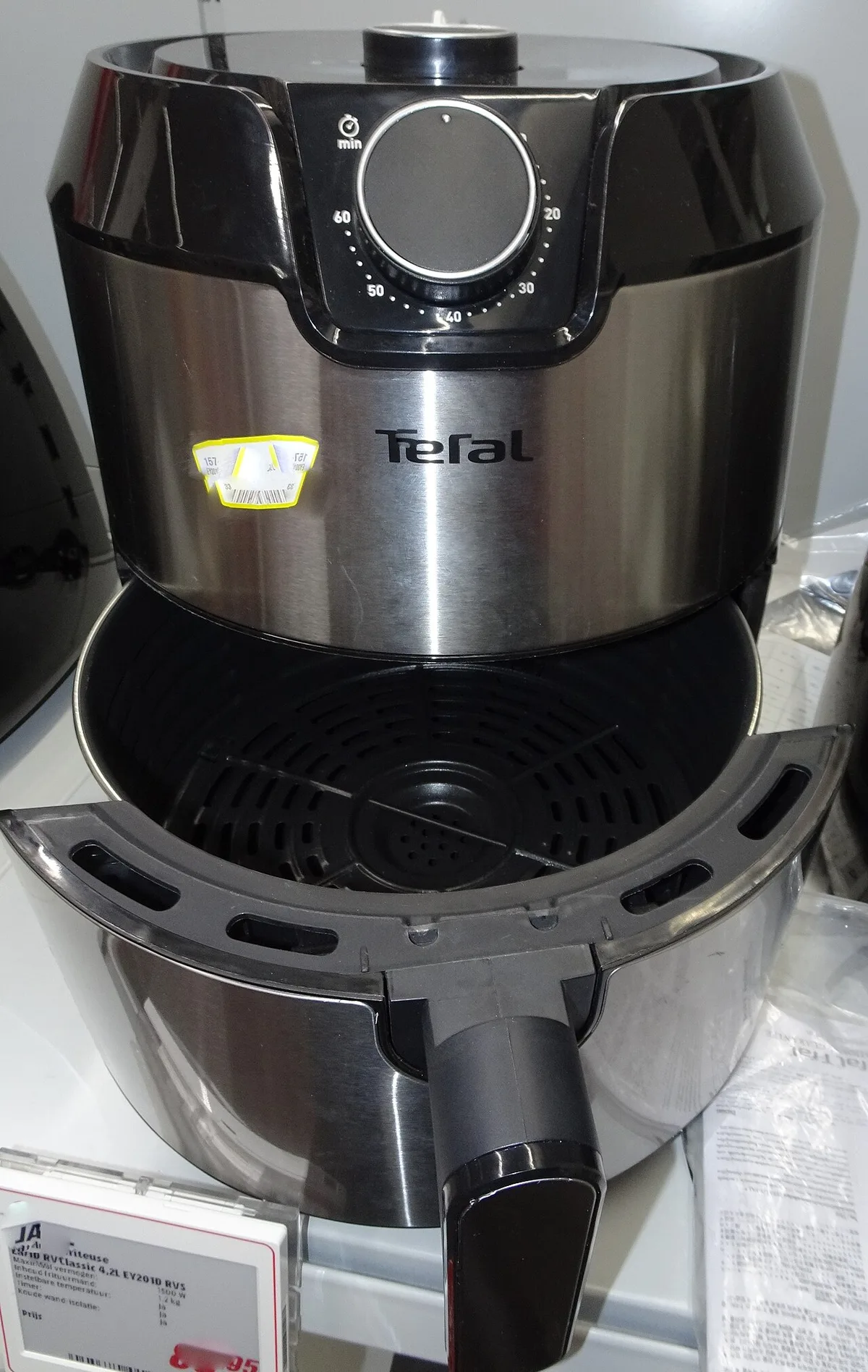
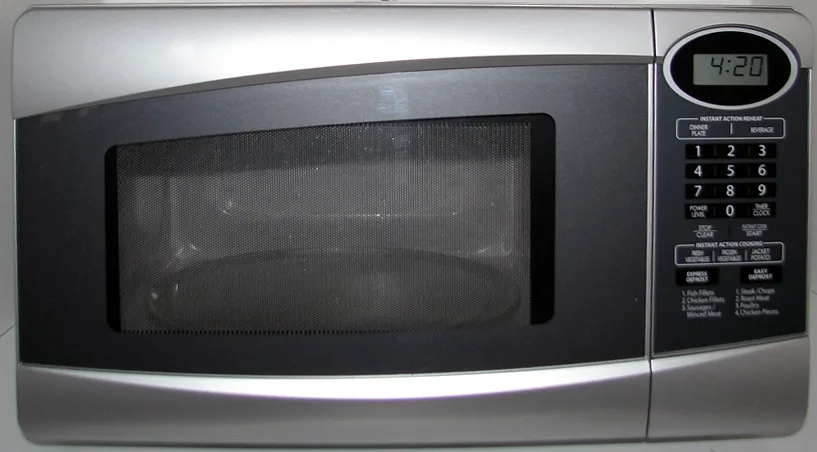
The historical appliance photographs are not evidence for these amounts. One contains an old shop label, which is expressly not a current price. Never copy a price visible in an undated photograph into a live purchase comparison. Record an actual offer's date and conditions separately if you choose to use it.
Do not mix purchase cost with electricity assumptions
A one-time offer and a future electricity scenario have different evidence. The former may be confirmed in a seller's terms; the latter depends on assumptions about use and tariff. Keep them separate before deciding whether combining them would be meaningful. A precise-looking multi-year total can conceal uncertainty in the running-cost inputs.
The Panasonic manual's distinction between microwave specification fields also matters here: a watt number should not be converted into a cost without establishing what it represents. Use the separate session tool for clearly labelled scenarios and avoid presenting a hypothetical saving as a guaranteed way to recover a purchase price.
Panasonic NN-ST45KW/ST46KB/ST48KS operating instructions F0003CA22BP ?
Finish with a dated scope check
Before committing, confirm the exact variant, the included parts, the delivery arrangement and any relevant service you have chosen to include. Keep the source of each amount and mark unresolved items. A complete, slightly less attractive total is more useful than a low headline figure with missing costs.
The tool performs addition and subtraction only. It does not assess affordability, credit terms, product quality or the suitability of an installer. Its purpose is to make your stated purchase scope visible so that you can compare complete offers and see how each planned item affects the budget you entered.