Record the oven mode with the temperature
A temperature number alone leaves out the heating mode and the model-specific conditions.
Updated:
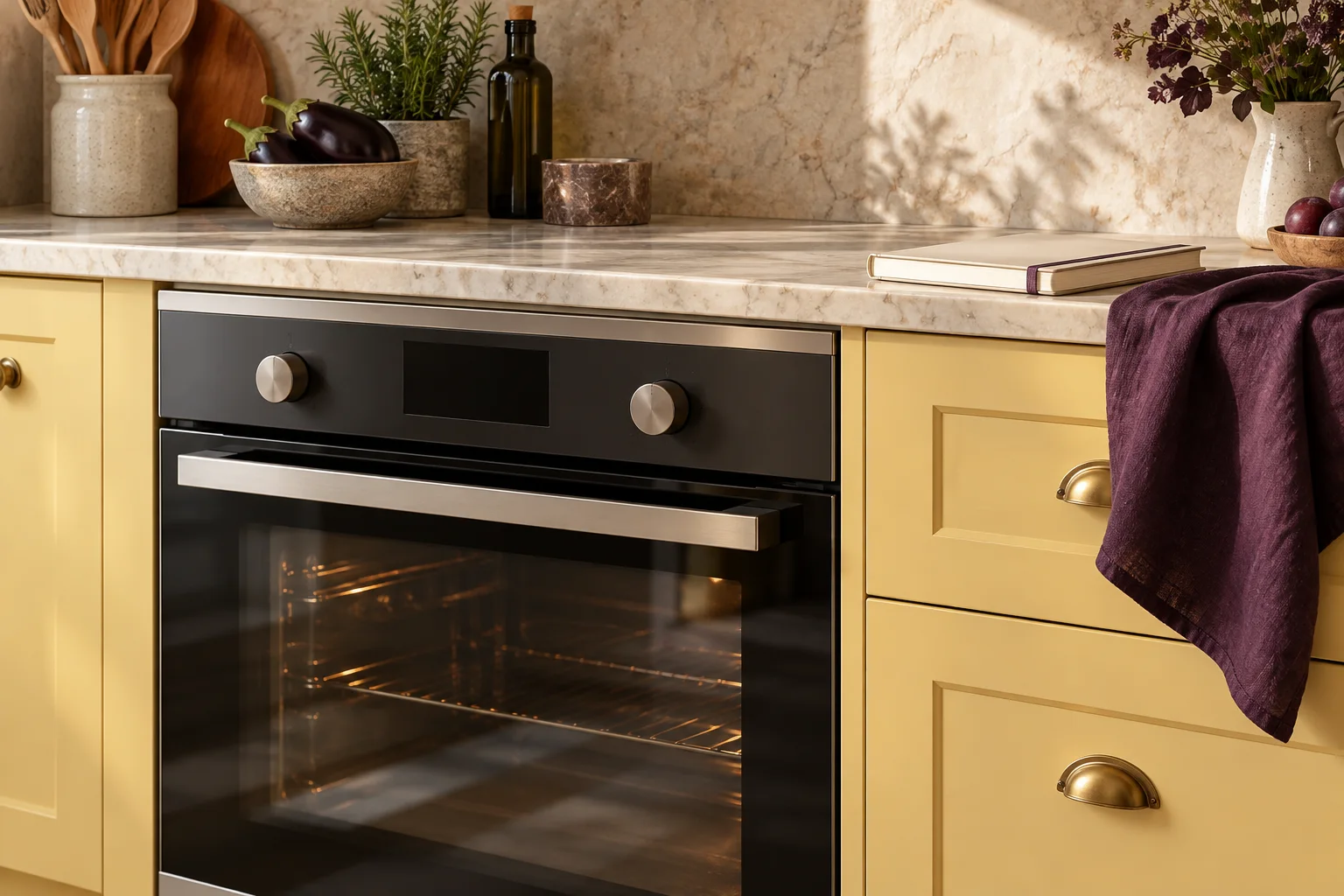
Copy the full setting label
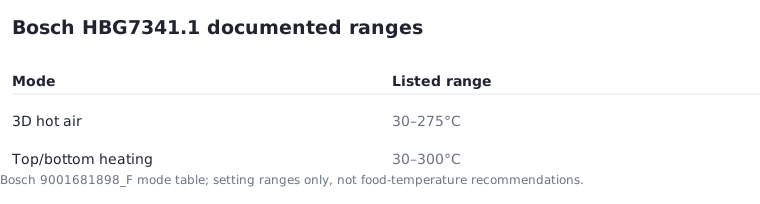
The Bosch HBG7341.1 manual distinguishes 3D hot air from top/bottom heating. Its mode table lists a 30–275°C range for the former and 30–300°C for the latter. These are documented setting ranges for that appliance, not temperatures we recommend for a food or results from our own testing.
Keep the mode name and temperature field together when recording a setting. A bare number can conceal which type of heating is selected. Do not assume that a similarly named mode on another oven has the same range, operation or limitations.
Bosch HBG7341.1 user manual, revision 9001681898_F ?
Separate a selectable range from a cooking instruction
The difference between the two listed upper endpoints is 25°C. That arithmetic does not mean that one mode is preferable or that a recipe should be adjusted by that amount. A setting range describes what the documented control permits in its context; it is not a general cooking conversion rule.
This guide does not tell you how to cook a dish, select a food temperature or determine whether a meal is safe. It helps you keep specification fields intact so that a comparison of controls does not silently become a set of unverified cooking instructions.
Use photographs to see why the model matters
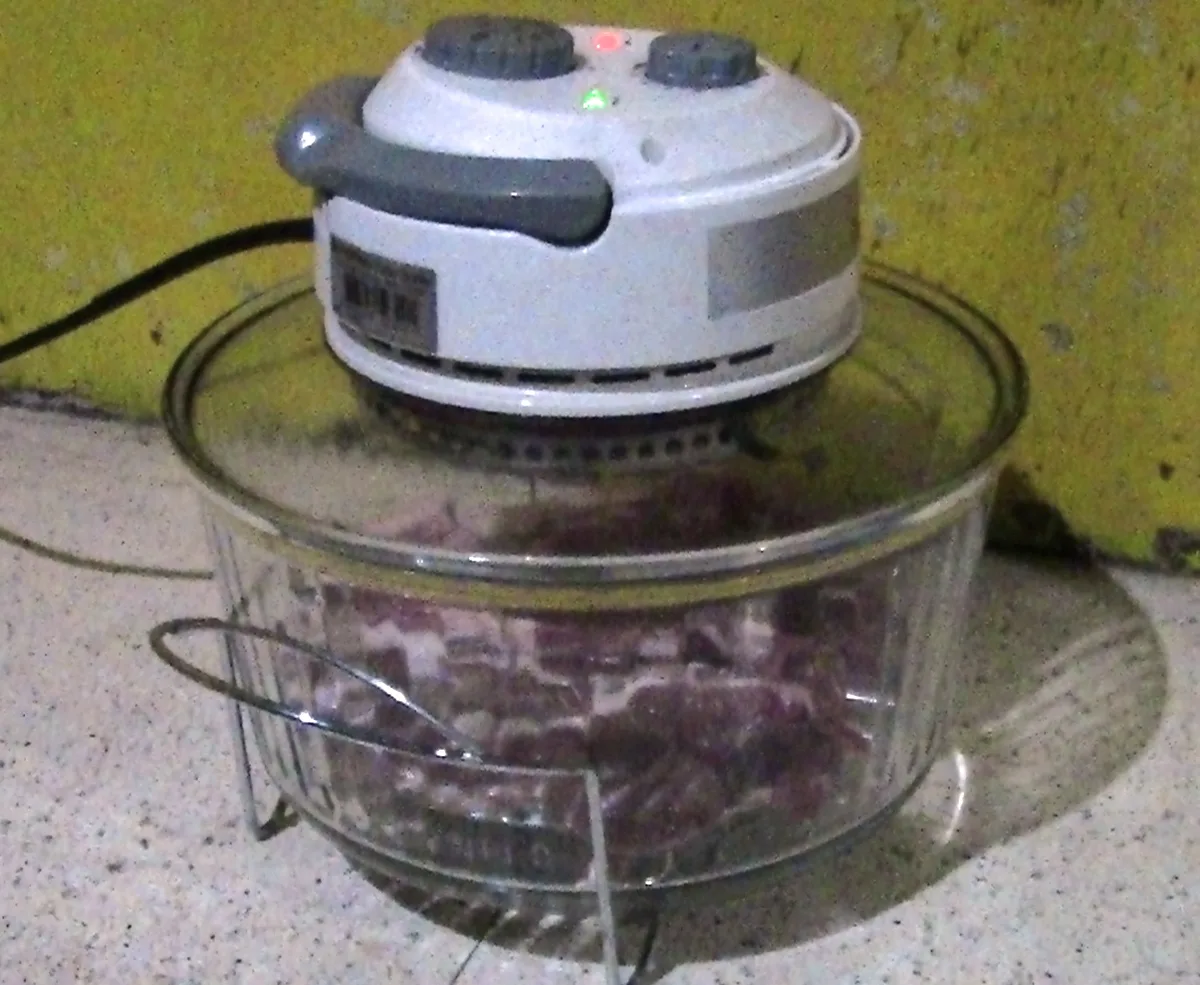
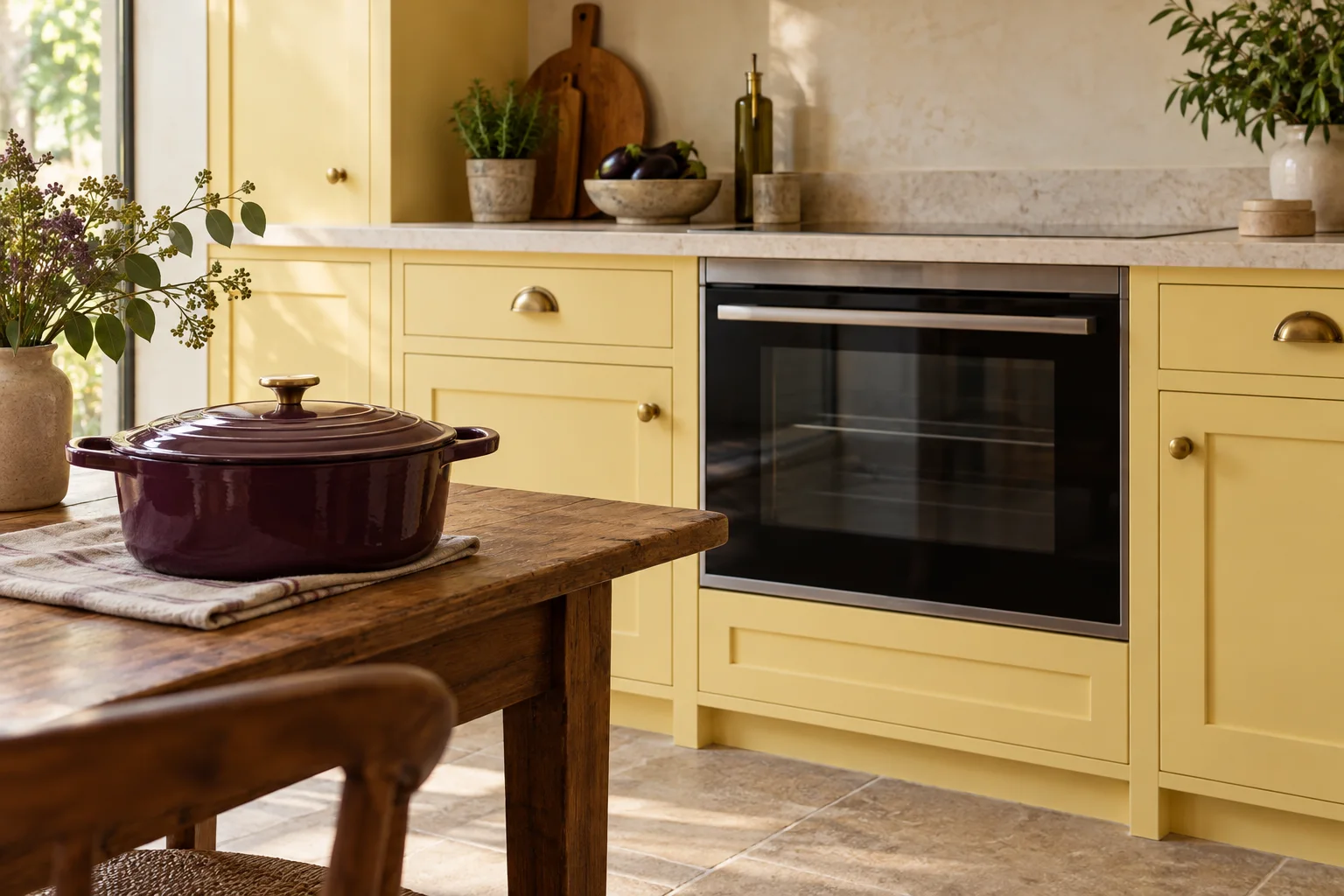
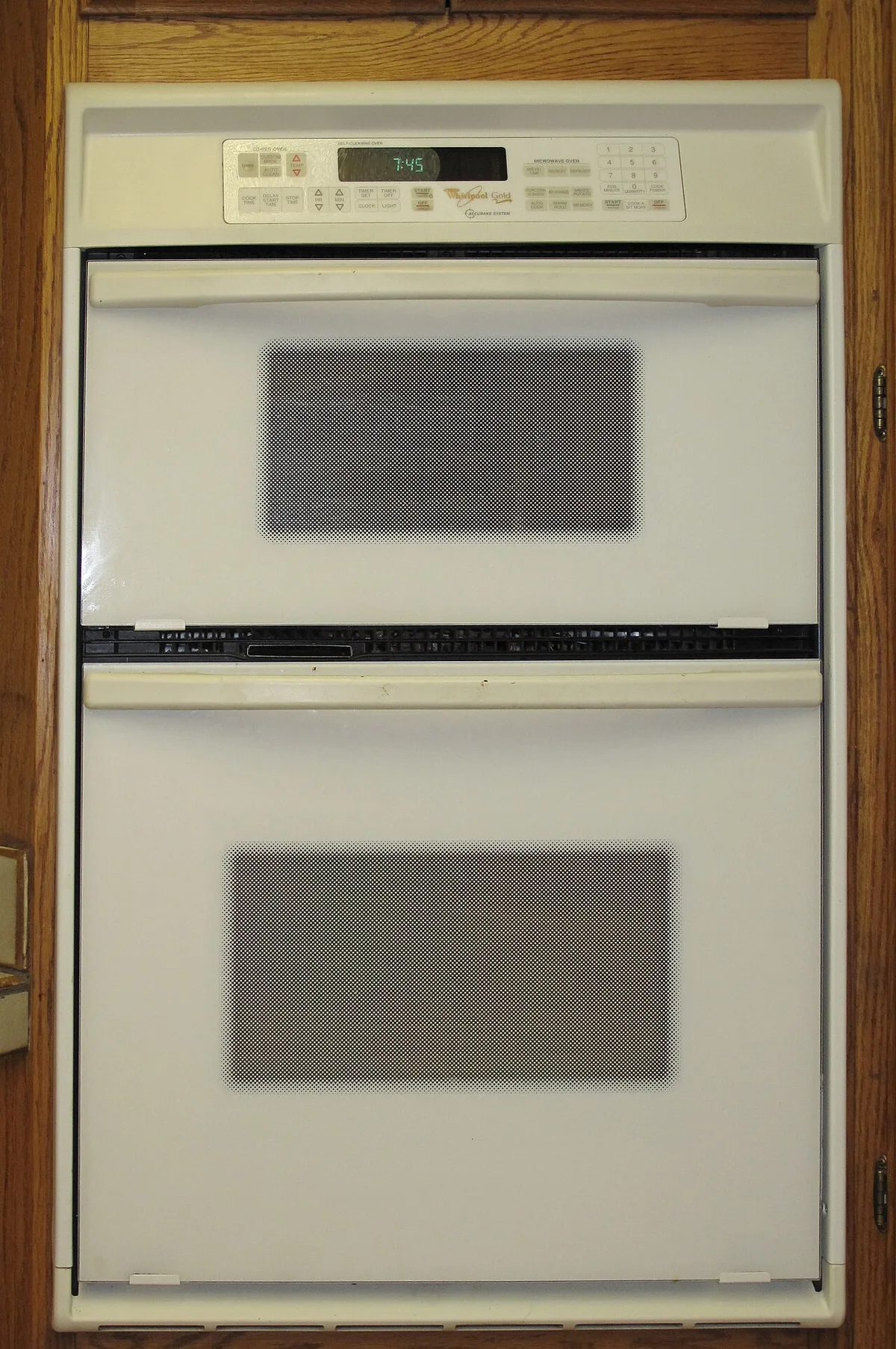
The historical built-in arrangement has a different control panel from the Bosch model discussed. The tabletop glass-bowl oven has controls on its lid and a very different physical form. Those images demonstrate interface variety, not equivalent operating modes. We have not tested either photographed appliance.
The baking sheet provides another reminder that the accessory is also part of a real setup. A record that says only oven temperature omits the appliance, mode and accessory context. Do not infer any of those details from the appearance of a front panel or from a familiar symbol without consulting the correct documentation.

Preserve conditions attached to the mode
A manual may explain how a mode behaves, when a setting changes or which other functions are involved. Keep those conditions with the mode definition. Do not extract a headline temperature range and discard the nearby limitations because a shorter table looks tidier.
If the intended function is unclear, ask a specific question about the exact model and mode. This is more useful than asking whether the oven has a fan when the relevant concern is the behaviour of a particular named setting. Preserve the answer's scope and source revision in your notes.
Make the comparison useful without claiming performance
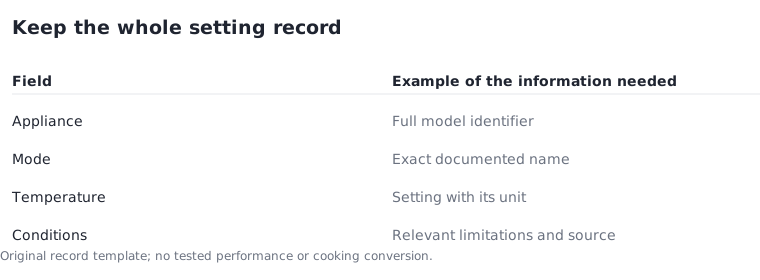
For each candidate, record the complete mode name, documented range, relevant conditions and the source. Add an unresolved field where the available information does not answer your question. That lets you compare whether a desired control option is documented without claiming that one appliance cooks better.
Recheck the record when a product suffix or manual revision changes. Similar-looking appliances can have different options, and a retailer's abbreviated description may omit an important distinction. The aim is a precise account of the controls you are choosing, not an unsupported ranking or a recipe derived from a specification table.